Category: Uncategorized

  • Dear Reader, Its been 4 years to the week we started this little blog…

    Dear Reader, Its been 4 years to the week we started this little blog…

    And after a 2 and a half year hiatus… I am back! I am going to have to start the journey again, having basically given up over the last 20 months of lockdown and feeling sorry for myself. I put on loads of weight, ate poorly and drank too much!

    Some summer Tennis and Swimming brought with it the acknowledgement that I am a long way from fit, something had to be done. I have started back to walking a little everyday and I want to try and keep this momentum going.

    However, it is with a renewed sense of purpose and the fact none of my bloody clothes fit me anymore, that I yet again embark on my fasting journey with some Keto thrown in and I would like to invite you all to come along for the journey and maybe… just maybe, it will get you started or restarted on your own fasting adventure!

    Thank you for dropping in on my little blog, I appreciate everyone of you and look forward to sharing some insights along the way.. much Love as always keep safe… Greg x

  • Good Fats?  And how to get em’!

    Good Fats? And how to get em’!

    Happy Humpday Gang!

    Firstly another apology for lack of updates its been a crazy few months and as usual, my little blog suffers.  Let’s kick today’s update off by identifying:

    Firstly Which Fat Is Which?

    Most foods contain a combination of fats but are classified according to the dominant fat. There are 3 main types of dietary fat: saturated, polyunsaturated, and monounsaturated.

    Saturated Fats or trans fatty acids Polyunsaturated Fats Monounsaturated Fats
    Butter Corn oil Canola oil
    Lard Fish oils Almond oil
    Meat, lunchmeat Soybean oil Walnut oil
    Poultry, poultry skin Safflower oil Olive oil
    Coconut products Sesame oil Peanut oil
    Palm oil, palm kernel oil and products Cottonseed oil Avocado
    Dairy foods (other than skim) Sunflower oil Olives
    Partially hydrogenated oils Nuts and seeds Peanut butter

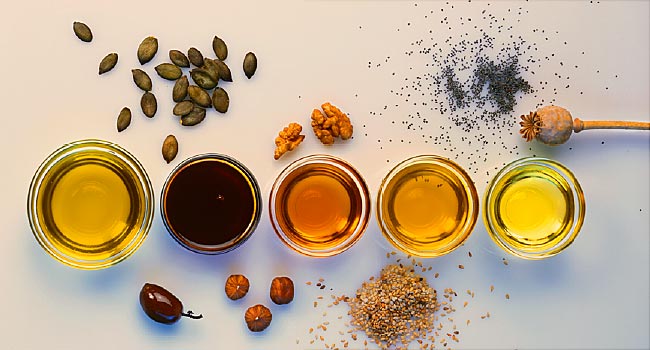
    assorted oils

    In popular terminology, the monounsaturated and polyunsaturated fats are what most people refer to as healthy fats.

    We have evolved on diets consisting of marine life, wild game, and plants, which provided abundant omega-3 and other unprocessed fats.

    Early humans consumed all parts of animals including fatty tissues such as blubber, organs, and brains along with eggs from fish, fowl, and reptiles.

    So, a better definition of healthy fat might be relatively unprocessed fats from whole foods.

    Now conventional wisdom would steer you well clear of all the fat in the Saturated Fats group but as we know conventional wisdom don’t know shit, check out the Bulletproof Diet as a case in point!

    Saturated Fats

    Examples of these foods include:

    Fatty meat and poultry
    Full-fat dairy products (g. whole milk, hard cheeses like Cheddar and Parmesan)
    Cream
    Butter, ghee, and lard
    Palm oil
    Coconut oil and cream
    Processed foods (e.g. burgers, sausages, pastry, pies)
    Some cakes, biscuits, and pastries.

    Saturated fat can increase the amount of a type of cholesterol called LDL-cholesterol in our blood. LDL-cholesterol is often called ‘bad’ cholesterol.

    Why is high cholesterol harmful?

    Too much LDL-cholesterol in our blood can cause a fatty material to build up in the walls of our blood vessels and cause them to narrow. This increases the risk of blood clots, which can lead to a heart attack or stroke. ‘Good’ cholesterol (HDL-cholesterol) carries the LDL-cholesterol from the body and to the liver to be broken down, so that too much doesn’t build up in our blood.

    Unsaturated fats

    Unsaturated fats help to maintain healthy cholesterol levels. As part of a healthy, balanced diet, it is best to choose foods that contain higher amounts of unsaturated fat and less saturated fat.

    There are two types of unsaturated fats: monounsaturated and polyunsaturated fats.

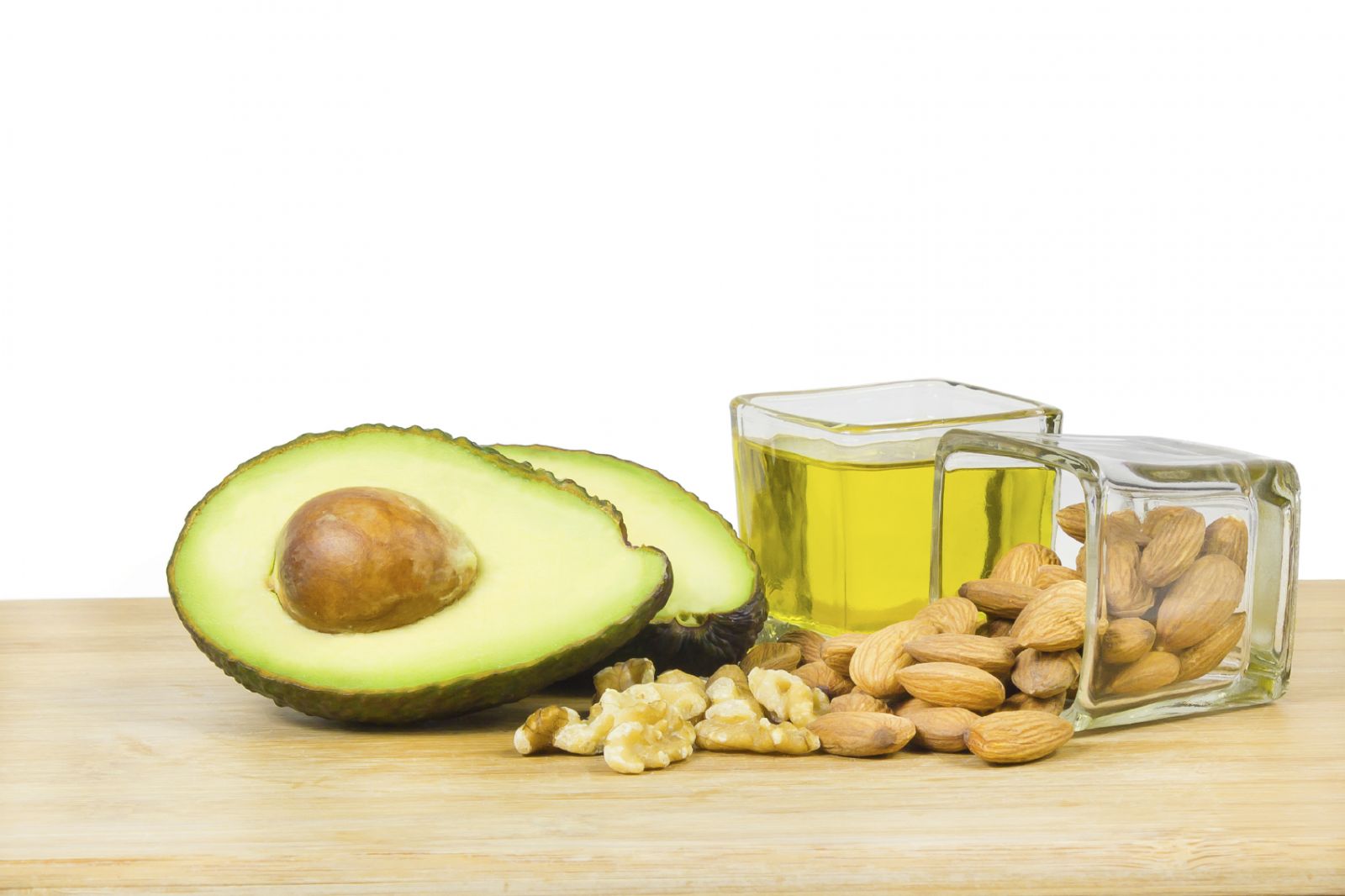
    Monounsaturated fats are found in:

    Some vegetable oils and spreads made from them (e.g. olive and rapeseed)
    Olives
    Avocados
    Nuts

    These foods are typical of the Mediterranean diet, which is associated with good heart health and a lower risk of heart disease.

    Monounsaturated fats help maintain levels of good HDL cholesterol and decrease levels of harmful LDL-cholesterol.

    Polyunsaturated fats are found in:

    Some vegetable oils and spreads made from them (e.g. corn and sesame)
    Flaxseed, sesame seeds, and sunflower seeds
    Walnuts, pine nuts
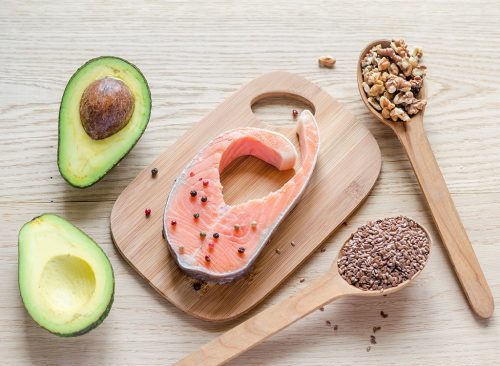
    Oily fish (e.g. mackerel, trout, and sardines). Polyunsaturated fats help to lower LDL-cholesterol and provide us with essential fatty acids (which the body cannot make), such as omega-3 and omega-6. Omega-3 fats are also important during pregnancy and breastfeeding to support child development.
    foods-healthy-fats-500x366

    Omega-3 fatty acids are mainly found in:

    Oily fish (e.g. mackerel, salmon, sardines, trout, herring)
    We can also get omega-3 from vegetable sources but these aren’t thought to have the same benefits for heart health as the longer chain omega-3 found in oil-rich fish. If you don’t eat fish, vegetarian sources of omega-3 include:

    Some vegetable oils and spreads made from them (e.g. rapeseed, flax, linseed, soya)
    Soya-based foods including tofu.
    Walnuts
    Foods are also sometimes fortified with omega-3, for example, omega-3 fortified eggs.

    So there we have the technical stuff that’s the what and where… so how about why?

    Why are good fats important to our overall health?

    Research is continuing to evolve on dietary fat, but some facts are clear. Dietary fat, also known as fatty acids, can be found in foods from both plants and animals. Certain fats have been linked to negative effects on heart health, but others have been found to offer significant health benefits.

    Fat is as essential to your diet as protein and carbohydrates are in fueling your body with energy. Certain bodily functions also rely on the presence of fat. For example, some vitamins require fat in order to dissolve into your bloodstream and provide nutrients.

    People are often concerned about excess dietary fat, but not getting enough good fats may also cause health problems.

    Fats exert powerful effects within the body.

    We need adequate fat to support metabolism, cell signaling, the health of various body tissues, immunity, hormone production, and the absorption of many nutrients (such as vitamins A and D).

    Having enough fat will also help keep you feeling full between meals.

    Healthy fats have been shown to offer the following benefits.

    Strong evidence supporting
    Cardiovascular protection (though there is less evidence for protecting against heart failure)
    Improve body composition
    Alleviate depression
    Average evidence supporting 
    Prevent cancers
    Preserve memory
    Preserve eye health
    Reduce the incidence of aggressive behavior
    Reduce ADHD and ADD symptoms
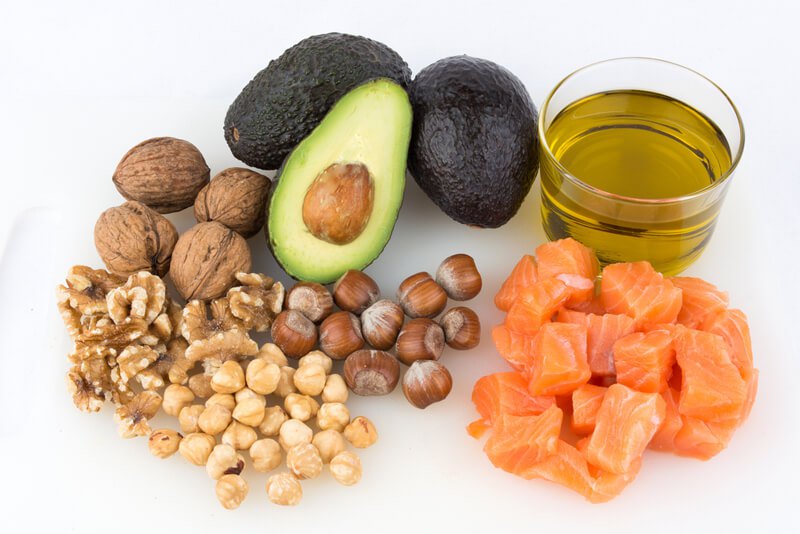
    healthy-fats-avocado-nuts-oils

    Feed the brain and body
    The fat we consume is digested and either used for energy, stored in adipose (fat) tissue or incorporated into other body tissues and organs.

    Many of our body tissues are lipid ( fat) based, including our brains and the fatty sheath that insulates our nervous systems. Our cell membranes are made of phospholipids, which means they are fat based as well.

    Thus, the fat we consume literally becomes part of our cells. It can powerfully influence how our cells communicate and interact.

    For example, fat can affect signaling molecules that influence blood vessel constriction, inflammation, blood clotting, pain, airway constriction, etc. Since our brains are fat-based, changes in fat composition can affect the transmission of nervous system impulses.

    For this reason, balancing our fat intake can promote optimal functioning of our entire body. Therefore it’s important that we emphasize whole food fat sources in our diets, and supplement as necessary.

    Adding Super fats to our diets

    I am a HUGE advocate of the Bulletproof Diet, having lost a great deal of weight and seen a vast improvement of the anti-inflammatory benefits the diet brings if followed correctly.

    This is a list of Bullet proof approved oils you can consume directly from Dave Aspreys blog https://blog.bulletproof.com 
    bulletproof_coffee_logo

    Coconut Oil. The fat-burning component of coconut oil is found primarily in its medium-chain-triglyceride, or MCT, content. MCTs, reduce your appetite naturally, decrease cardiovascular disease, and increase the rate at which you burn fat.

    Dark Chocolate contains theobromine, a gentle stimulant that’s related to caffeine but more mellow. Theobromine also increases blood flow and may explain, at least in part, why chocolate is an aphrodisiac. Dark chocolate is also full of fiber, copper, manganese, antioxidants, and tasty fat. Go for 70% dark or darker, and be mindful of added sugar.

    Pastured Egg Yolks. Pastured eggs are packed with protein, B vitamins, zinc, and other nutrients that help balance hormones and support muscle building. Egg yolk also contains easily absorbed lutein and zeaxanthin, carotenoids that contribute to eye health.

    Krill Oil and Fish Oil. Omega-3 fatty acids provide a launchpad for making hormones that regulate the blood, heart, and metabolic function. Studies show that omega-3s help prevents heart disease and stroke, may help control lupus, eczema, and rheumatoid arthritis. There’s also evidence it may protect against cancer.

    Grass-fed red meat and marrow. High-quality grass-fed meat contains essential nutrients, from the protein that acts as the building blocks of muscles and other tissues, to zinc, iron, and even pretty decent levels of brain-boosting omega-3 fatty acids.

    Extra Virgin Olive Oil. is very high in antioxidants and anti-inflammatory oleic acid. It’s better not to heat this oil as doing so will destroy many of the precious nutrients and denature the delicate fats. Instead, drizzle it over your meal right before you eat it. Always buy olive oil bottled in dark glass, too. Clear bottles let light through, which oxidizes nutrients the longer the bottle sits on a shelf.

    Avocado Oil looks a lot like olive oil in terms of nutrition. It’s a lot more heat-stable than olive oil, so you can cook with it or add it to your meal in sauces and dressings.

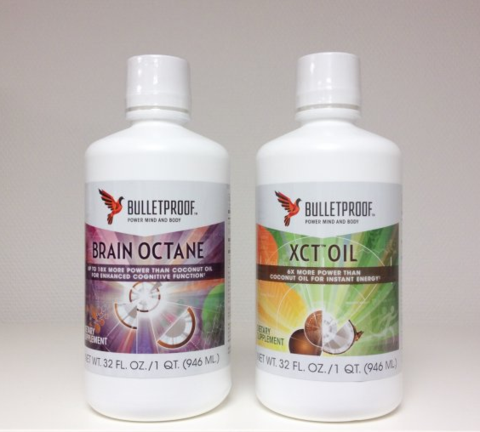
    And finally, I have to give a shout out to these two beauties that help keep you in Ketosis and add super valuable fat instantly.
    Screen_Shot_2017-01-06_at_9.00.13_AM_large

    Brain Octane Oil. A reliable and quick source of energy for your brain and body. Brain Octane is made up of the most powerful MCT, distilled from 100% pure coconut oil to support cognitive performance and fat loss. The body rapidly metabolizes caprylic acid into ketones that the brain can use for instant energy without the need for glucose from carbohydrates or sugar.

    XCT Oil. A slightly less potent form of Brain Octane Oil, XCT oil will still give you a quick source of energy from fat, not sugar.

    Brain Octane or XCT Oil?
    Use Brain Octane Oil if you want the maximum cognitive benefit, a fast rise in energy and the quickest digestion.

    Use XCT Oil if you are looking for an affordable MCT oil that helps your metabolism to burn fat, but has a slower and smaller cognitive effect and a slower rise in energy. Or if you are using it on your hair or skin!

    Just FYI

    10 Fat Filled Foods you should consider adding to your diet!

    1. Avocados

    Avocados are about 77% fat, by calories, making them even higher in fat than most animal foods.

    The main fatty acid is a monounsaturated fat called oleic acid. This is also the predominant fatty acid in olive oil, associated with various health benefits.

    Avocados are among the best sources of potassium in the diet, even containing 40% more potassium than bananas, a typical high potassium food.

    They’re also a great source of fiber, and studies have shown that they can lower LDL cholesterol and triglycerides while raising HDL.
    2. Cheese

    Cheese is incredibly nutritious.

    It is a great source of calcium, vitamin B12, phosphorus and selenium, and contains all sorts of other nutrients.

    It is also very rich in protein, with a single thick slice of cheese containing 6.7 grams of protein, same as a glass of milk.

    3. Dark Chocolate

    Dark chocolate is one of those rare health foods that actually taste incredible.

    It is very high in fat, with fat at around 65% of calories.

    Dark chocolate is 11% fiber and contains over 50% of the RDA for iron, magnesium, copper, and manganese.

    It is also loaded with antioxidants, so much that it is one of the highest scoring foods tested, even outranking blueberries.

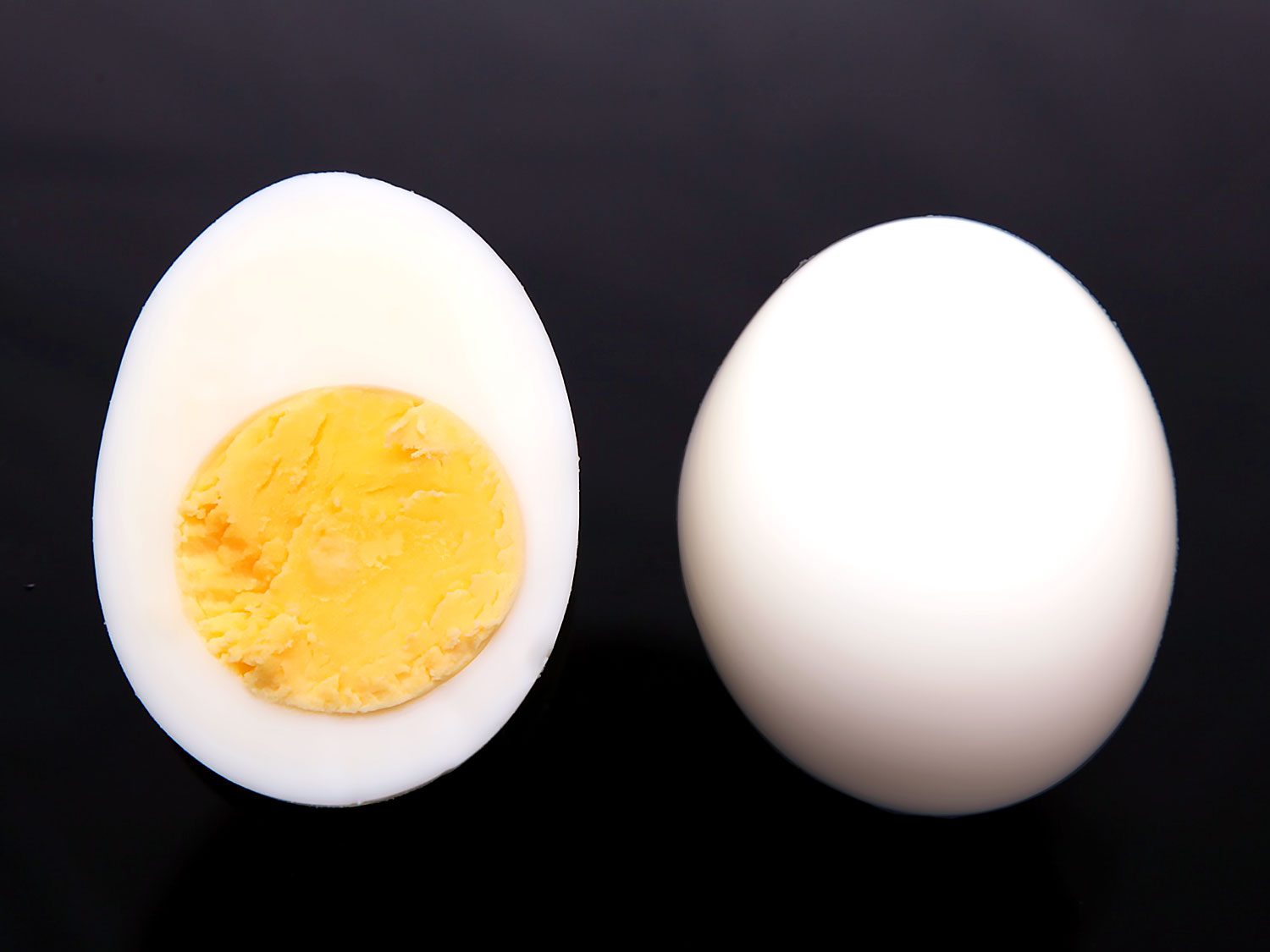
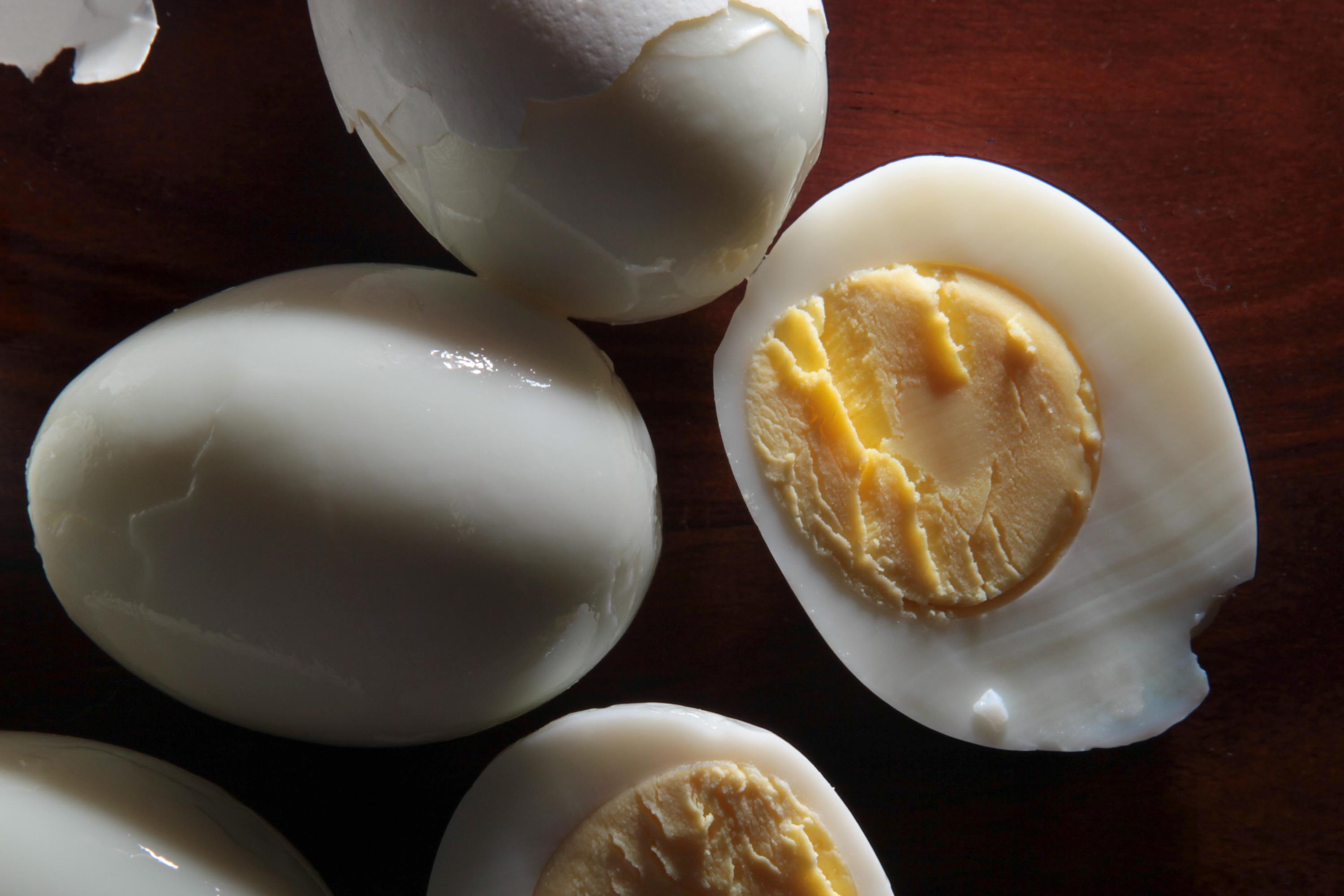
    4. Whole Eggs

    We’ve done Eggs in the last post so there’s not much to add here…

    However, new studies have shown that cholesterol in eggs doesn’t affect the cholesterol in the blood, at least not in the majority of people.

    What we’re left with is one of the most nutrient-dense foods on the planet.

    Whole eggs are actually loaded with vitamins and minerals. They contain a little bit of almost every single nutrient we need.

    They even contain powerful antioxidants that protect the eyes, and lots of choline, a brain nutrient that 90% of people don’t get enough of (Eggs is Eggs is Eggs and Choline!)

    5. Fatty Fish

    One of the few animal products that most people agree is healthy, is fatty fish.

    This includes fish like salmon, trout, mackerel, sardines, and herring.

    These fish are loaded with heart-healthy omega-3 fatty acids, high-quality proteins and all sorts of important nutrients.

    If you can’t eat fish, then taking a fish oil supplement can be useful. Codfish liver oil is best, it contains all the omega-3s that you need, as well as plenty of vitamin D.

    6. Nuts

    Nuts are incredibly healthy.

    They are high in healthy fats and fiber and are a good plant-based source of protein.

    Nuts are also high in vitamin E and loaded with magnesium, a mineral that most people don’t get enough of.

    Healthy nuts include almonds, walnuts, macadamia nuts and numerous others.
    7. Chia Seeds

    Chia seeds are generally not perceived as a fatty food.

    However, an ounce (28 grams) of chia seeds actually contains 9 grams of fat.

    Considering that almost all the carbs in chia seeds are fiber, the majority of calories in them actually comes from fat.

    In fact, by calories, chia seeds are around 80% fat. This makes them an excellent high-fat plant food.

    These aren’t just any fats either, the majority of the fats in chia seeds consists of the heart-healthy omega-3 fatty acid called ALA.

    Chia seeds may also have numerous health benefits, such as lowering blood pressure and having anti-inflammatory effects.
    8. Extra Virgin Olive Oil

    Another fatty food that almost everyone agrees is healthy, is extra virgin olive oil.

    This fat is an essential component of the Mediterranean diet, which has been shown to have numerous health benefits.

    Extra virgin olive oil contains vitamins E and K and is loaded with powerful antioxidants.

    Some of these antioxidants can fight inflammation and help protect the LDL particles in the blood from becoming oxidized.

    It has also been shown to lower blood pressure, improve cholesterol markers and have all sorts of benefits related to heart disease risk.

    Out of all the healthy fats and oils in the diet, extra virgin olive oil is the king!
    9. Coconuts and Coconut Oil

    Coconuts and coconut oil are the richest sources of saturated fat on the planet.

    In fact, about 90% of the fatty acids in them are saturated.

    Even so, populations that consume large amounts of coconut do not have high levels of heart disease and are in excellent health.

    Coconut fats are actually different than most other fats and consist largely of medium-chain fatty acids.

    These fatty acids are metabolized differently, going straight to the liver where they may be turned into ketone bodies.
    10. Full-Fat Yogurt

    Real, full-fat yogurt is incredibly healthy.

    It has all the same important nutrients as other high-fat dairy products.

    But it’s also loaded with healthy, probiotic bacteria, that can have powerful effects on your health.

    Studies show that yogurt can lead to major improvements in digestive health, and may even help fight heart disease and obesity.

    End…

    If you’ve gotten down this far bless you, and thanks for reading my little blog (1500) views to date!!  happy hump day!

    Thanks to Google and the usual suspects for their information and opinion and of course to the excellent Mr. Dave Asprey of Bulletproof 360 for providing the inspiration.
  • Eggs Is Eggs Is Eggs & Choline

    Eggs Is Eggs Is Eggs & Choline

    Hello Dear Reader, Yep Eggs is today’s subject.

    “Greg” I hear you cry,  “we know eggs are a great source of protein blah blah blah”

    But there’s way more to tell you… I have massively upped my egg intake this month and here’s why…

    One whole egg contains an amazing range of nutrients.

    Eggs are loaded with vitamins, minerals, high-quality proteins, good fats and various other lesser-known nutrients.One large egg contains:

    • Vitamin B12 (Cobalamin): 9% of the RDA.
    • Vitamin B2 (Riboflavin): 15% of the RDA.
    • Vitamin A: 6% of the RDA.
    • Vitamin B5 (Pantothenic Acid): 7% of the RDA.
    • Selenium: 22% of the RDA.
    • Eggs also contain small amounts of almost every vitamin and mineral required by the human body… including calcium, iron, potassium, zinc, manganese, Vitamin E, Folate and many more.

    A large egg contains 77 calories, with 6 grams of quality protein, 5 grams of fat and trace amounts of carbohydrates.

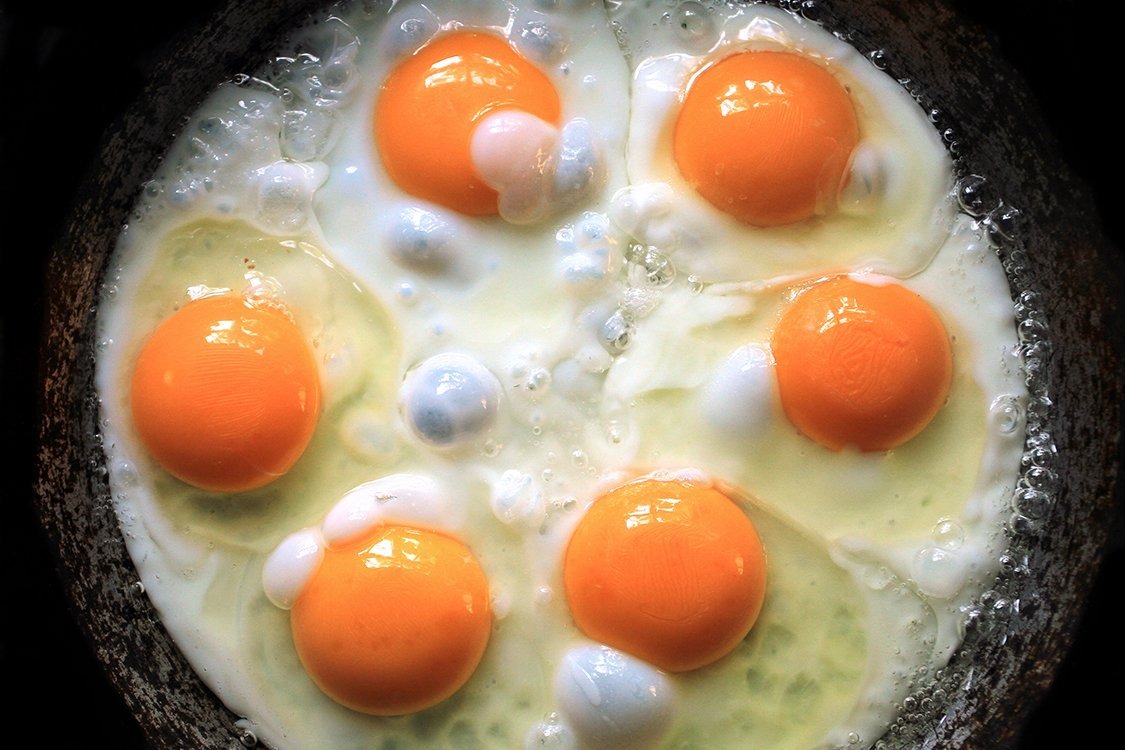
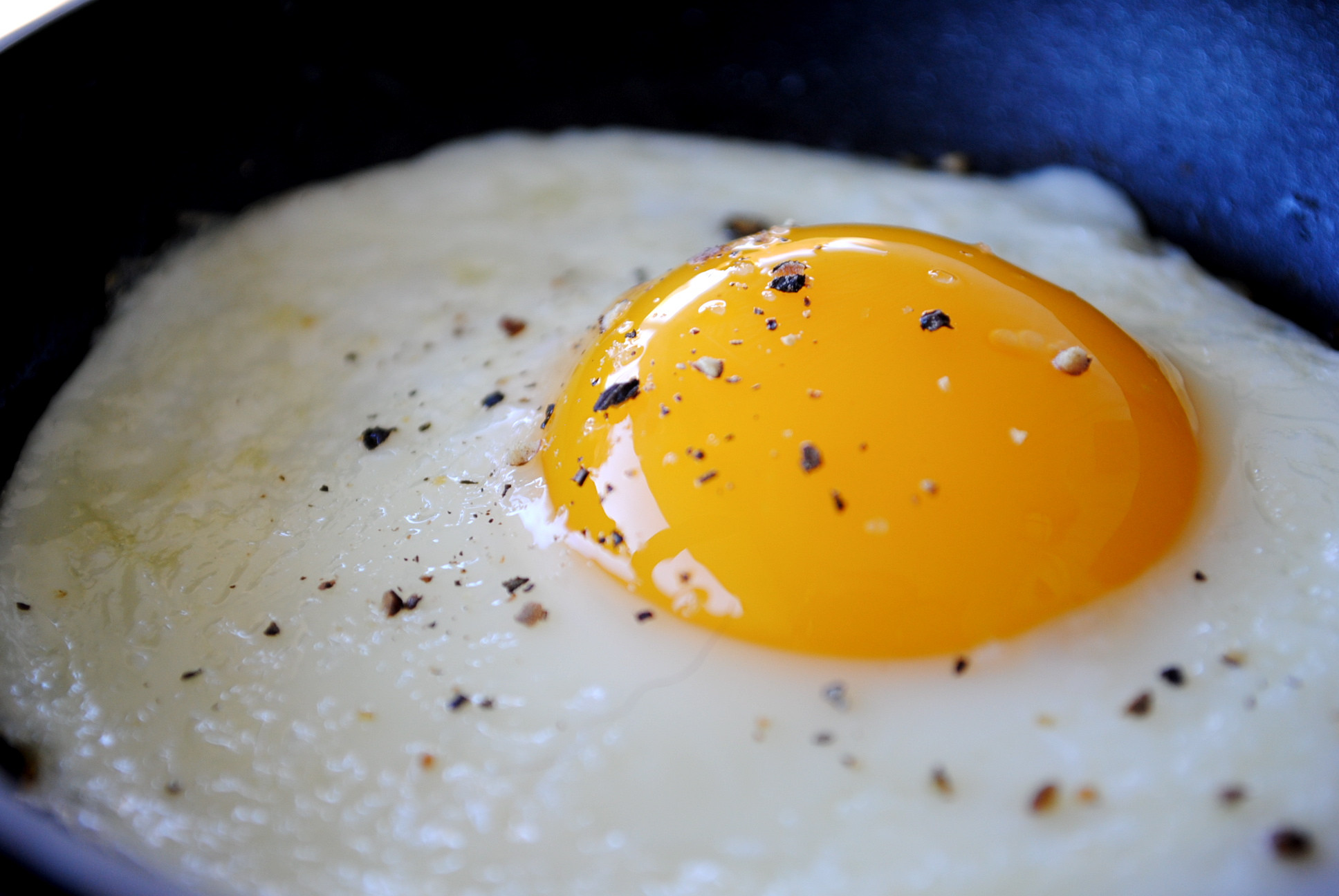
    eggs-pan

    Eggs Improve Your Cholesterol Profile and do NOT Raise Your Risk of Cardiovascular Disease.

    The main reason people have been warned about eggs is that they’re loaded with cholesterol.

    One large egg contains 212 mg of cholesterol, which is a LOT compared to most other foods.

    Whole eggs are incredibly nutritious, containing a very large amount of nutrients compared to the calorie load. The nutrients are found in the yolks, while the whites are mostly protein.

    However, just because a food contains cholesterol doesn’t mean that it will raise the bad cholesterol in the blood.

    The liver actually produces cholesterol, every single day. If you eat cholesterol, then your liver produces less. If you don’t eat cholesterol, then your liver produces more of it.

    20140430-peeling-eggs-10-1500x1125

    The thing is, many studies show that eggs actually improve your cholesterol profile.

    Eggs tend to raise HDL (the “good”) cholesterol and they tend to change the LDL (the “bad”) cholesterol to a large subtype which is not associated with an increased risk of heart disease.

    One study discovered that 3 whole eggs per day reduced insulin resistance, raised HDL and increased the size of LDL particles in men and women with metabolic syndrome.

    Multiple studies have examined the effects of egg consumption on the risk of cardiovascular disease and found no association between the two.

    However, some studies do show an increased risk of cardiovascular disease in diabetic patients. This needs further research though and probably doesn’t apply on a low carb or Keto diet, which can in many cases reverse type II diabetes.


    28554_hard_boiled_egg

    Studies show that eggs actually improve the cholesterol profile. They raise HDL (the good) cholesterol and increase the size of LDL particles, which should lower the risk of heart disease.

    Choline is a lesser-known nutrient that is often grouped with the B-complex vitamins.

    Choline is an essential nutrient for human health and is needed for various processes in the body.

    It is required to synthesize the neurotransmitter acetylcholine and is also a component of cell membranes.

    A low choline intake has been implicated in liver diseases, cardiovascular disease and neurological disorders.

    Soft-Cooked-Eggs-022

    This nutrient may be especially important for pregnant women. Studies show that a low choline intake can raise the risk of neural tube defects and lead to decreased cognitive function in the offspring.

    In a dietary survey in the U.S. from 2003-2004, over 90% of people ate less than the daily recommended amount of choline.

    The best sources of choline in the diet are egg yolks and beef liver. One large egg contains 113 mg of Choline.

    9b872b1d

    Choline is an essential nutrient that 90% of people in the U.S. aren’t getting enough of. Egg yolks are an excellent source of choline.

    Choline is one of the newest nutrients to be added to the list of human vitamins. It was only added to the list of required nutrients by the National Academy of Sciences (NAS) in 1998. While the NAS does not officially recognize choline as a vitamin specifically belonging to the B-complex family of vitamins, it is officially recognized as a required nutrient that you need in your everyday meal plan.

    It was once believed that we made enough choline in our bodies from other nutrients to meet our need for this important substance. More recent research using choline-depleted diets has demonstrated that we really do require some outside help from our food to keep our bodies running well.

    ScrambledEggs

    Eggs Contain High-Quality Proteins With a Perfect Amino Acid Profile
    Proteins are the main building blocks of the body and serve both structural and functional purposes.

    They consist of amino acids that are linked together, kind of like beads on a string, then folded into complex shapes.

    There are about 21 amino acids that the body uses to build its proteins.

    ZuAmS

    The body can not produce 9 of these amino acids, which are deemed as “essential” and must be gotten from the diet.

    The quality of a protein source is determined by its relative amounts of these essential amino acids. A protein source that contains all of them in the right ratios is a good source of protein.

    Eggs are among the best sources of protein in the diet. In fact, the biological value (a measure of protein quality) is often evaluated by comparing it to eggs, which are given the perfect score of 100.

    Eggs are an excellent source of protein, with all the essential amino acids in the right ratios.

    Eggs Are Loaded With Lutein and Zeaxanthin, Which Protect the Eyes
    There are two antioxidants in eggs that can have powerful protective effects on the eyes.

    They are called Lutein and Zeaxanthin, both found in the yolk.

    Lutein and Zeaxanthin tend to accumulate in the retina, the sensory part of the eye.

    These antioxidants significantly reduce the risk of Macular Degeneration and Cataracts, which are among the leading causes of vision impairment and blindness in the elderly.

    28554_hard_boiled_egg

    In one study, eating 1.3 egg yolks per day for 4.5 weeks increased blood levels of Zeaxanthin by 114-142% and Lutein by 28-50%.

    Eggs are very high in the antioxidants Lutein and Zeaxanthin, which can drastically reduce the risk of Macular Degeneration and Cataracts.

    Eggs for Breakfast Can Help You Lose Body Fat
    Eggs contain only trace amounts of carbohydrates, but plenty of protein and fat.

    Now More on Choline if you weren’t already convinced!

    So I’ve bored the pants off you now about Eggs and Choline, but you really need to see the benefits in greater detail below.

    Forms DNA and Cell Structures
    Choline helps the body to absorb fat, and fats are then used to create cell membranes and structures. Without enough choline in the body, our cells cannot properly withhold their structure and signal messages to other parts of the body.

    Choline is needed to create DNA that is responsible for building out entire body structure. Choline and folate are known to be key nutrients involved in the methyl group processes, which the body uses to form the genetic material that helps build every system within the body.

    Supports Central Nervous System
    One of the main benefits of choline is that it is used by the body in a variety of ways that are crucial for nerve functioning, including aiding in nerve signalling and maintaining the membranes of brain cells.

    Choline also helps form tissue within the nervous system that plays a part in brain development and growth. It’s believed that choline can improve signalling capacity of nerves, support their structural integrity, and protect vital neuronal membranes.

    Choline acts as a precursor to certain important neurotransmitters, including acetylcholine, which is used in healthy nerve and muscle function. Neurotransmitters are chemical symptoms of communication used throughout the body constantly to relay information from system to system.

    The neurotransmitter acetylcholine specifically plays a part in memory and learning, so a choline deficiency can result in poor concentration, poor memory, mood changes and other cognitive impairments, especially as someone ages. Acetylcholine is formed when an acetate molecule combines with a choline molecule, so without enough choline present in the body, this molecule cannot be properly produced and brain function can suffer.

    Maintains Healthy Liver Function
    Choline is needed to properly transport fat from the liver to cells throughout the body. A benefit of choline is cleansing the liver because choline is partially responsible for keeping the liver clear from fat build-up that can accumulate and cause harm. Choline plays a part in transporting both cholesterol and triglycerides, two forms of important fat from the liver to other parts of the body where they are needed.

    In people who have low levels of choline present within their body, some studies have found that they are more at risk of experiencing liver damage and even liver failure. Choline also helps form LDL cholesterol within the liver, and even though LDL is considered the “bad” kind of cholesterol, a certain level is still needed for healthy functioning (without enough, the body will suffer by storing fat in the liver).

    Helps Protect Memory and Loss of Brain Function
    Another one of the benefits of choline is its ability to keep your mind mentally sharp as you age. Because it’s a component of cell membranes and neurotransmitters that are used in nerve signalling, choline also plays a role in preserving memory and preventing dementia, memory loss and other signs of cognitive decline as someone becomes older.

    As we age, our brain becomes less elastic. Choline does an important job of maintaining brain elasticity by working to maintain levels of acetylcholine, which naturally declines into old age.

    Some studies point to the fact that low levels of acetylcholine may lead to cognitive decline, including Alzheimer’s disease and senile dementia.Patients who develop Alzheimer’s at times show very low levels of acetylcholine, and some medications used to treat Alzheimer’s actually mimic choline’s effect of increasing this neurotransmitter’s effects.

    Can Help with Exercise Performance and Muscle Function
    Choline helps to improve mental energy, focus and concentration, which are all important for physical activity and athletic performance. It’s believed that choline’s effect on your metabolism and neurotransmitters in the brain can produce quicker reaction times and cut down on the amount of time needed for mental processing.

    Choline may also be helpful in improving energy levels, your mood, sleep cycles and recovery time following strenuous activity. Additionally, choline is used in muscle nerve functioning and may be useful in preventing fatigue and muscle aches or pains following exercise. Every time a muscle moves within the body, choline is needed to activate the neurotransmitter acetylcholine, which sends chemical signals to muscles and makes them mobile.

    May Help Maintain Heart Health
    Choline and folate assist in the conversion of homocysteine, which prevents the body from accumulating too much fat and may be beneficial in cutting down on the risk of having a heart attack or stroke.  Homocysteine is an amino acid that enters the body from protein sources, normally meat, and high levels of homocysteine have been correlated with the development of heart and blood vessel diseases.

    Some studies have shown that choline and lecithin can help to reduce blood cholesterol and risk for heart disease, but different studies have yielded inconsistent results, so more research is still needed before doctors will begin to prescribe choline for its ability to lower LDL (“bad”) cholesterol and triglycerides.

    Supports a Healthy Pregnancy
    Pregnant women need even more choline than anyone else because choline is rapidly used by fetuses while their brains, cell structures and nerve channels are forming. Some studies even show that when a fetus obtains more choline, they have a better chance of later having healthy, sharp brain functioning and a lower risk of brain abnormalities. Other studies show that pregnant women with a low blood level of choline have been shown to be at a higher risk for having children with neural tube defects and developmental problems.

    Choline is also naturally found in breast milk since it’s important for a newborn’s growth and proper development. This is the reason it’s added to most infant formulas. Neuron synapses are being formed in the brain of fetuses and infants at a very rapid rate, so choline plays a major part in helping to build the foundation of the brain’s structure. 

    Choline is also important during pregnancy because of its relationship with folate. Choline, folate and B vitamins all work together to keep levels of one another in check. Choline is one of the methyl donors in the body, which means that when folate, a vital nutrient needed for fetal development, is low, that choline is able to help fill in and carry out body functions where folate is needed but is missing.

    Important for Children’s Growth and Development
    Neuron plasticity refers to the brain’s ability to build new neuron connections, and choline is thought to be very important for supporting brain elasticity and plasticity.

    As children grow older, choline is needed to help develop brain function since it plays a role in learning, remembering, logical thinking and concentration abilities. Children need to acquire choline to form neurotransmitters channels in their brain that will help with information retention, verbal abilities, creative thinking, mathematical skills, social cues, and more.

    In fact, choline is needed for forming new brain connections between neurons called synapses, which is the chemical reaction needed for memories to actually form in the brain. Some reports even show that choline can help prevent learning disabilities, including ADHD, and can improve concentration in children and teens.

    Important to note NOT ALL EGGS IS EGGS!!!

    Hens are often raised in factories, caged and fed grain-based feed that alters the final nutrient composition of the eggs. It is best to buy Omega-3 enriched or pastured eggs, they are more nutritious and healthier.

    eggs-promo


    Wowzer! If you made it here thank you for taking the time to read my little blog.

    Your continued support and views make it all worthwhile. Greg xxx


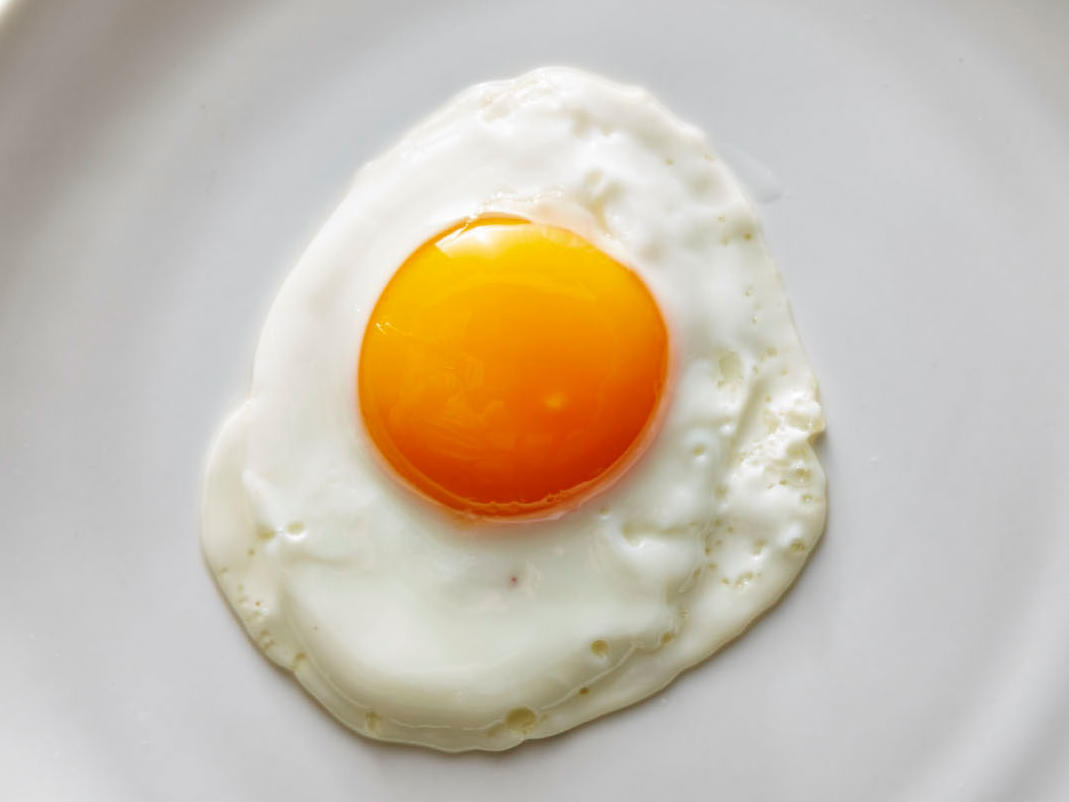
     pristine-sunny-side-up-eggs


    Thanks to Healthine Dr Axe and Google as always you guys make life better every day!


  • Water Water

    Water Water

    IMG_1313


    The importance of drinking multiple glasses of water as soon as you wake up has long been known in Japanese and Indian cultures to bring huge benefits to your general wellbeing.

    Over the last 3 months, I have been incorporating the practice into my daily routine and collating the information I have found on the benefits and my own experiences to inform you here Dear Reader.

    So what is Japanese Water Therapy?

    Okay so Japanese water therapy is the practise drinking water first thing in the morning (traditional medicine recommends drinking water just after awakening because of its natural health benefits)  before brushing your teeth and of course on an empty stomach (approximately a litre). Drinking water is of course generally good for our health. Water is a great source of life and it is a necessary element for every cell and function in our body.

    The way its described as a practice may not be practical to most of us but I believe the basic principles behind this are totally sound and worth incorporating into your daily routine.

    If you have a kidney problem or severe health issues, ask your doctor before starting the Japanese Water Therapy.

    After you wake up drink 4 x 160ml (22 ounces) glasses of water (not cold) before you do anything else, including brushing your teeth.
    After you finish your water, you can brush your teeth, but don’t eat or drink for 45 minutes.
    After 45 minutes you may eat and drink as normal.
    After every meal or snack, don’t eat or drink anything for 2 hours.
    If you are sick, elderly, or not used to this, you can start this process gradually that eventually equals 22 ounces per day.
    It is recommended to continue this therapy and to make this procedure a routine in our life.

    45934663 - glass of fresh water

    For serious diseases as well as minor illnesses the water treatment has been found successful by a Japanese medical society as a natural remedy in cases of:

    • headache
    • body ache
    • heart problems
    • arthritis
    • fast heartbeat
    • epilepsy
    • obesity
    • bronchitis asthma
    • meningitis
    • urine and diseases
    • vomiting
    • gastritis
    • diarrhoea
    • piles
    • diabetes
    • constipation
    • all eye diseases
    • menstrual disorders
    • ear-, nose-, and throat diseases

    IMG_1314

    Okay, so what are the key benefits to our lives here in the west?

    1. Helps Rid the Body of Toxins
    As you drink water, it naturally urges movement in your bowels. At night, your body repairs itself and casts out all the toxins in the body. When you drink water on an empty stomach in the morning, you will flush out these harmful toxins, leaving your body fresh and healthy. Drinking plenty of water can help in increasing the production of muscle cells and new blood cells.

    2. Improves Metabolism
    Drinking water on an empty stomach can increase your metabolic rate by at least 24%. It is very important for those people who are on a strict diet. An increased metabolic rate means an improved digestive system. You will be able to follow your diet routine more easily if you digest faster. Drinking water immediately after waking up purifies the colon, making it easier to absorb nutrients.

    3. Alleviates Heartburn and Indigestion
    Indigestion is caused by increased acidity in the stomach. You suffer from heartburn when the acid refluxes into your oesophagus. When you drink water on an empty stomach, these acid are pushed down and get diluted, solving the problem. Also, this provides a head start for your stomach for the upcoming breakfast.

    4. Improves Complexion and Skin Radiance
    Dehydration causes premature wrinkles and deep pores on the skin. It was found out in a study that drinking 500 ml of water on an empty stomach increases blood flow to the skin and makes skin glow. Also, drinking more water throughout the day means that your body is releasing toxins, which will make your skin more radiant.

    5. Promotes Shiny, Smooth, and Healthy Hair
    Dehydration can have a serious impact on your hair growth. Drinking plenty of water nourishes your hair from the inside out. Water makes up almost ¼ of the weight of a hair strand. An insufficient intake of water can cause brittle hair and thin hair strands. You should drink more water every day, but drinking water on an empty stomach can improve the quality of your hair to a greater extent.


    6. Reinforces Healthy Weight Loss                                                                                         When  you drink water in the morning on an empty stomach, you will release all your toxins and it will improve your digestive system. You will feel less hungry and your cravings will be reduced. This will prevent weight gain caused by overeating.

    7. Prevents Kidney Stones and Bladder Infections
    Drinking water immediately after waking up is important for preventing kidney stones and bladder infections. It is a fact that drinking water on an empty stomach dilutes the acids which lead to stones in the kidney. The more water you drink (to a healthy limit), the more you will be protected from various kinds of bladder infections caused by toxins.

    8. Strengthens Immune System
    Drinking water on an empty stomach helps in flushing and balancing the lymphatic system, which leads to increased levels of immunity. A strong immune system will keep you safe from various diseases and prevent you from falling poorly as often.
    As you can see, there are a whole host of benefits of drinking water immediately after waking up. It’s without a doubt the easiest way to make a positive change to your lifestyle without spending any money.

    STJ_water_white_01


    Other benefits you may find helpful being.

    9. Water Helps Prevent Hangovers
    A hangover refers to the unpleasant symptoms experienced after drinking alcohol.Alcohol is a diuretic, so it makes you lose more water than you take in. This can lead to dehydration.Although dehydration is not the main cause of hangovers, it can cause symptoms of thirst, fatigue, headache and dry mouth.A good way to reduce hangovers is to drink a glass of water between drinks and to have at least one big glass of water before going to bed.

    10. Drinking More Water May Help Relieve Constipation                                              Constipation is a common problem, characterised by infrequent bowel movements and difficulty passing a stool. Increasing fluid intake is often recommended as a part of the treatment protocol, and there is some evidence to back this up. Low water consumption appears to be a risk factor for constipation in both young and elderly individuals. Carbonated water particularly has shown very promising results for constipation relief, although the reason is not entirely understood as yet.

    11. Water Helps to Maximize Physical Performance
    If we do not stay hydrated, physical performance can suffer. This is particularly important during intense exercise or high heat. Dehydration can have a noticeable effect if you lose as little as 2% of your body’s water content. However, it is not uncommon for athletes to lose up to 6-10% of their water weight via sweat. This can lead to altered body temperature control, reduced motivation, increased fatigue and make exercise feel much more difficult, both physically and mentally. Optimal hydration has been shown to prevent this from happening, and may even reduce the oxidative stress that occurs during high-intensity exercise. This is not surprising when you consider that muscle is about 80% water. So, if you exercise intensely and tend to sweat, then staying hydrated can help you perform at your absolute best.

    12. Hydration Has a Major Effect on Energy Levels and Brain Function
    Your brain is strongly influenced by hydration status. Studies show that even mild dehydration (1-3% of body weight) can impair many aspects of brain function. In a study of young women, the fluid loss of 1.36% after exercise impaired both mood and concentration and increased the frequency of headaches. Another similar study, this time in young men, showed that fluid loss of 1.59% was detrimental to working memory and increased feelings of anxiety and fatigue. A 1-3% fluid loss equals about 1.5-4.5 lbs of body weight loss for a 150 lbs person. This can easily occur through normal daily activities, let alone during exercise or high heat. Many other studies, ranging from children to the elderly, have shown that mild dehydration can impair mood, memory and brain performance.

    Something else important to really consider that makes total sense when you think about it.

    Yes, we all really need to drink water and stay healthy and active!

    This makes sense to all of us but also please consider this as a closing pice of knowledge from the far east. The Chinese and Japanese drink hot tea with their meals, not cold water. Maybe it is the time we adopt their drinking habit while eating. After all, you’ve  nothing to lose, everything to gain…

    For those who like to drink cold water, this statement is applicable to you:

    Although dear reader It is nice to have a cup of cold drink during or after a meal please consider this, the cold water will solidify the oily stuff that you have just consumed. It will slow down the digestion.

    Once this oily sludge reacts with the acid in your stomach, it will break down and be absorbed by the intestine faster than the solid food. It will line the intestine. Very soon, this will turn into fats and could lead to other health issues. It is best to drink hot or warm water during and after a meal.

    Something to consider…


    And finally please take the one minute 45 seconds or so to watch this great video.

    https://www.youtube.com/watch?v=XGeygVl3ReY


    shutterstock_102800126


    Many Thanks to Lifehacker, Healhtline, Menprovement, David Wolfe, Dr Anthony Biz and google we bloody love you google many thanks xx
  • 2018 Happy New Year Fasters!

    2018 Happy New Year Fasters!

    Dear Reader, I must start the first post of the year by apologising for the lack of content over the last 7 weeks of 2017.

    I sat down a few times with a plan to share my personal experiences and how seamlessly I had totally integrated the weekly 36-hour routine, along with the quarterly 72-hour plan that was the basis of this blog.

    I kept a strict food and calorie intake journal during the months of the fasting plan and I had also experimented with some new supplements, removing and adding various items to see what effects (if any) good or bad I experienced.

    But each time I sat down to share with you I got distracted by a phone call or message or simply lost my thread. I read so much, experimented with foods and supplements in a quest for content for the blog, it all became a blur and muddled and disjointed.

    So rather than post for the sake of posting I just continued the plan, kept researching and experimenting with supplements and diets, and prepared like everyone else for Christmas.

    The result being I can start the new year focused, with the knowledge I’ve gained through personal experience, and hopefully some interesting things to share with you over the coming year.

    Something I did notice and has concerned me a little is my gradual disinterest in food, which I will have to address as we move into the new year. My calorie intake found natural levels over the weeks and months ranging (when not fasting) between 800 and 1400 even during Christmas break which has helped me maintain my weight at 13 stone (82.5 KG).


    So thank you for your patience and thank you for reading my little blog, its kept me focused and motivated (along with Fitbit).

    I wish you all the very best in 2018 and remember

    72 hour fast 2018 cover


  • Eat  BEETS Seriously EAT BEETS !

    Eat BEETS Seriously EAT BEETS !

    From the diary, November 2017. I wrote this as I went, long before the book, so some of it I’d say differently now. For the checked, up-to-date version, the book’s the place. Please don’t stop or swap any prescribed medicine without talking to your GP first. Greg x

    So while doing the research for an anti-inflammatory to replace Naproxen, I realised I needed to find some strong antioxidants to help clear all the chemicals from my system.

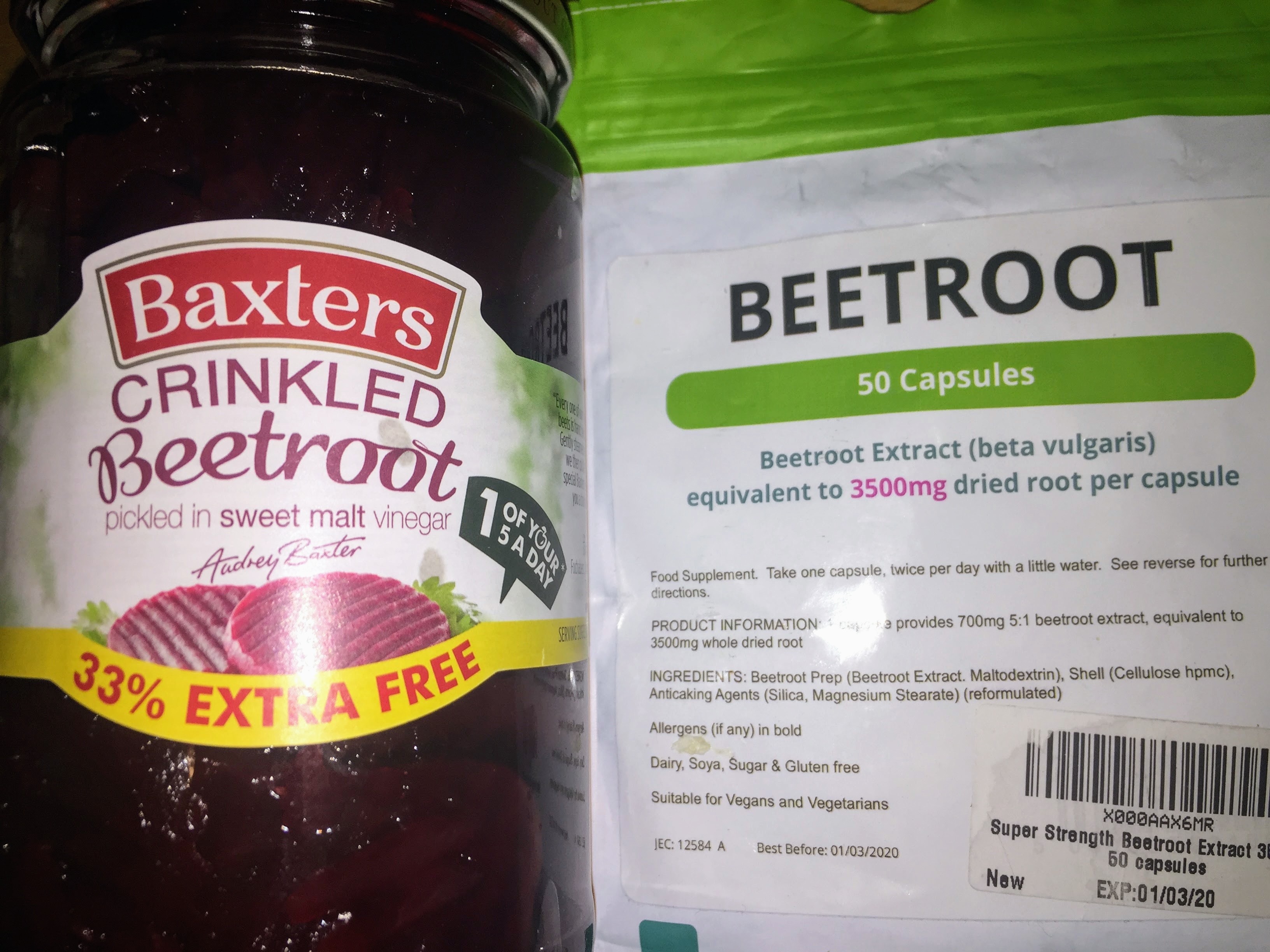
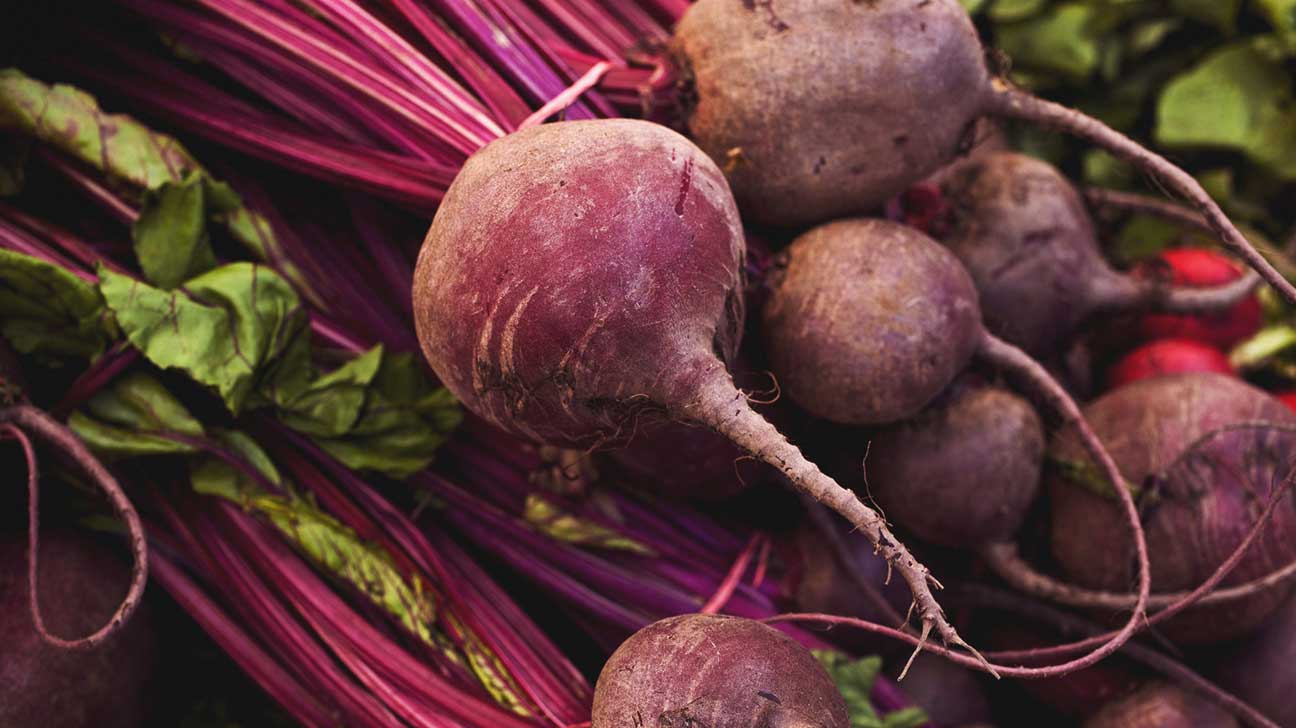
    The more and more research I did the same supplements kept coming up and one that really interested me and seemed to be the most relevant was Beetroot.

    Now if you have an unlimited budget and can spend £250 ($325) per month or more there are dozens of supplements you can buy to help clean up your system, but I was conscious I had to keep within a budget, so my choice was (yep you’ve guessed it) Beetroot! and here’s why…

    Beet1 (1)

    Stiffness?

    Tim Ferriss (https://tim.blog) has often referred to the effects of Beetroot extract as ‘natural Viagra’, beetroot has been commonly used in a number of ancient customs to boost Men’s sexual health. Since the vegetable is a rich source of nitrates it helps release nitric oxide into the body, widening the blood vessels, and increasing blood flow to the ‘gentleman parts’ – same as medicines like Viagra seek to replicate. Another factor is that beetroot contains a lot of boron, a chemical compound that is important for the production of the human sex hormone.

    Sleepy Time…

    Beetroot contains Choline which is a very important and versatile nutrient that helps with sleep, muscle movement, learning, and memory. Choline also helps to maintain the structure of cellular membranes, aids in the transmission of nerve impulses, assists in the absorption of fat and reduces chronic inflammation.

    Boozy…

    Your liver does the heavy work of cleaning your blood and “detoxing” your body. You can lighten its load with a daily serving of beets. Research shows that betaine, an amino acid found in beets can help prevent and reduce the accumulation of fat in the liver. Animal studies show that rats given beet juice have higher levels of detoxifying enzymes in their bloodstream. Research on people with diabetes shows that betaine improves liver function, slightly decreases cholesterol, and reduces liver size.

    Heartache…

    Beetroot is known to contain large amounts of soluble fibres, flavanoids and betacyanin. Betacyanin is the compound that gives beetroot its purplish-red colour and is also a powerful antioxidant. It helps reduce the oxidation of LDL cholesterol and does not allow it to deposit on the walls of the artery. This protects the heart from potential heart attacks and stroke.

    IMG_2140

    Bones…

    Beetroot is packed with mineral silica, an important component for the body to use calcium efficiently. Since calcium makes up our bones and teeth, having a glass of beetroot juice a day could help keep conditions such as osteoporosis and brittle bone disease at bay.

    Pressure…

    Beetroot is a great source of nitrates, which when consumed, is converted to nitrites and a gas called nitric oxides. Both these components help to widen the arteries and lower blood pressure. Researchers also found that having just about 500 grams of beetroot every day reduces a person’s blood pressure in about six hours.

    Sweety…

    People suffering from diabetes can fulfil their sweet craving by adding a little beetroot to their diet. Being a medium glycaemic index vegetable, it aids in maintaining your blood sugar levels low while satiating your sugar craving.

    Pumping IRON!

    It is a common myth that because beetroot is reddish in colour, it replaces lost blood and is, therefore, good to treat anaemia. While this may sound a bit outrageous to many, there is a partial truth hidden in the myth. Beetroot contains a lot of iron. Iron helps in the formation of haemagglutinin, which is a part of the blood that helps transport oxygen and nutrients to various parts of the body. It is the iron content and not the colour that helps treat anaemia.

    Brain BOOST!

    A study was done at the University of Exeter, England showed that drinking beetroot juice could increase a person’s stamina by 16 percent, because of its nitrate content. Known to increase the oxygen uptake by the body, the study also found that because of this one factor, it could also help in the proper functioning of the brain.

    Babies…

    Another amazing quality of the root is that it has an abundant supply of folic acid. Folic acid is important for pregnant mums and unborn babies because it is an essential component for the proper formation of the unborn child’s spinal cord. Beetroot also gives mums-to-be that extra energy boost required during pregnancy.

    1296x728_BODY_13_Health_Benefits_of_Beetroot_Juice-lowerbloodpressure

    Poop…

    Because of its high soluble fibre content, beetroot acts as a great laxative. It helps in regularising your bowel movement by softening stools. It also cleanses the colon and flushes out the harmful toxins from the stomach. Here are a few home remedies to relieve constipation.

    PINK POOP CAUTION!

    There are some interesting side effects of eating too much beetroot. It can turn urine pink, which can be mistaken for blood in the urine. It may also alter the colour of your poo – which can be used to give you an idea of how quickly food moves through your body.

    Beet1 (1)

  • Greg’s  ‘Zesty’ Lemon & Ginger Water

    Greg’s ‘Zesty’ Lemon & Ginger Water

    From the diary, November 2017. I wrote this as I went, long before the book, so some of it I’d say differently now. For the checked, up-to-date version, the book’s the place. Please don’t stop or swap any prescribed medicine without talking to your GP first. Greg x

    Oh the Bloody Ego I have !!! ‘Greg’s’ Okay so after my knee operations I was put on some pretty heavy medication to deal with pain.

    To try to counter the toxic cocktail of Oxycontin and Naproxen (amongst others) I was forced to take due to the pain, I came up with this little gem to try to flush out some of the bad stuff each day. It was actually based on an overindulgence brew I had come up with years before to boost my system following ‘overindulgence’.

    Firstly I start with organic unwaxed lemons (failing that simply get unwaxed) and a ‘finger’ of ginger. Plus a cap (2 tablespoons) of Unpasteurised Organic Apple Cider Vinegar.

    Please note that this recipe fills a HUGE 800 ml Mug, and would easily make up to a 1-litre jug of ‘Greg’s Zesty Lemon & Ginger Water’ to be enjoyed as and when you fancied! Alternatively halve everything here to make a large coffee mug!

    Into the jug (or large mug) to make a litre (please adjust to your receptacle accordingly!)

    1. First Zest the unwaxed lemon, I do 4 ‘sides’.

    2. Add the cap (2 tablespoons) of Apple Cider Vinegar.

    3. Slice open the Lemon keeping it intact ( as per photo, just makes it easier to remove you can please yourself) place in mug or jug.

    4. Squash the lemon to extract juice using back of a tablespoon.

    5. Grate an inch of Ginger finger and add to pressed Lemon and zest.

    6. Give the Lemon a final squeeze mixing in the Ginger with the juice and the Apple Vinegar.

    7. Add boiling water.

    8. Allow to ‘steep’ and cool for 5 minutes.

    9. Sip and enjoy the cleansing brew!

    Okay now if this is ‘way too strong’ adjust your own recipe accordingly.

    I tend to find with my 800ml mug that I can add more boiling water halfway through and the brew is still plenty Zesty!

    You can read plenty of articles (I like Healthline as its evidence-based see below) on the benefits of ‘Lemon Water’ and of course Ginger. The benefits of Unpasteurised Apple Cider vinegar have long been known, and here I have chosen to combine all 3 to give me a twice a day detox pick me up, that I really can see working.

    https://www.healthline.com/nutrition/11-proven-benefits-of-ginger

    https://www.healthline.com/health/food-nutrition/benefits-of-lemon-water

    https://www.healthline.com/nutrition/6-proven-health-benefits-of-apple-cider-vinegar

    Combine this with the intermittent fasting and mysignificant weight loss and maintaining the weight loss isn’t such a miracle at all.

    I hope you enjoy please let me know your experiences.

    Greg x

  • Breaking Fast…

    Breaking Fast…

    From the diary, November 2017. I wrote this as I went, long before the book, so some of it I’d say differently now. For the checked, up-to-date version, the book’s the place. Greg x

    So I have finished my Wednesday fast this lunchtime (12pm) started at 6pm on Tuesday and broke fast at just now shortly after 12pm Thursday, 36 hours in total and feeling great.

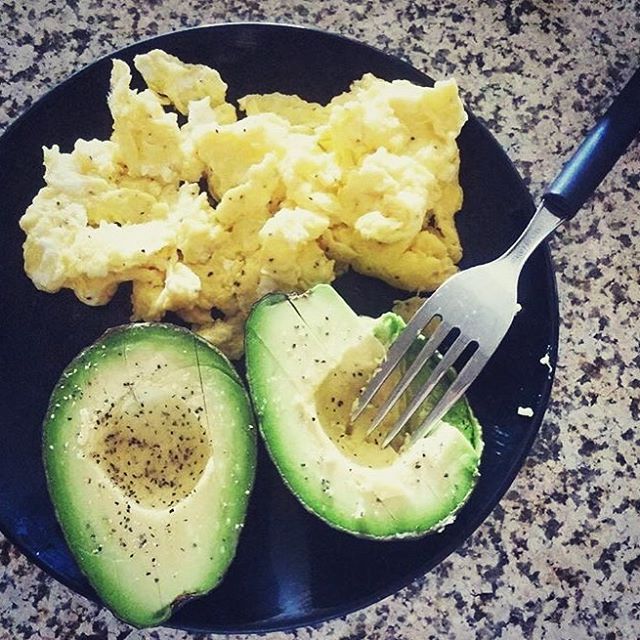
    I have broken my fasts in October with a simple plate of scrambled eggs, just to ease my system gently back into the routine of eating.

    39b81f676e6579ae7b7eda328f9f8b7c--scrambled-eggs-plates

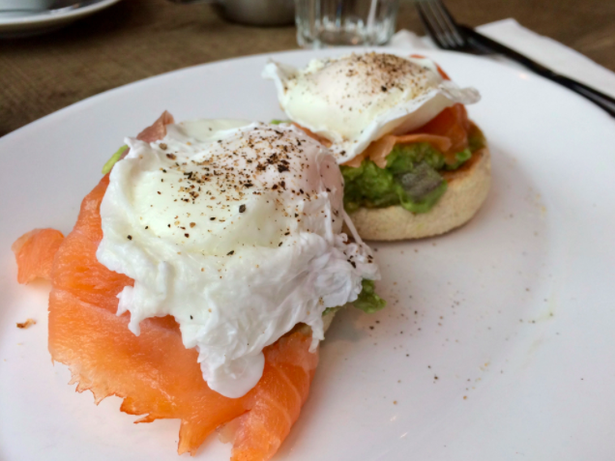
    November is going to mark a small change, Each Thursday I will continue with eggs in the main, but I fancy adding something alongside (today its avocado) maybe frying a couple of over easy eggs with a slice of ham or (a personal favorite) poached eggs with a little smoked salmon and maybe some sliced avocado.

    Servinis-Eggs-benedict-with-smoked-salmon.png

    The reason I initially went with eggs to break my 72 hour fast, was simply that, having started the process of Ketosis (using my own fat stores for energy) I felt it would be far easier on my system to digest eggs and ‘good fats’ like avocado, trying to maintain the benefits of the whole exercise, OF putting your body in to a Ketogenic state.

    This is all a little advanced for an off the cuff explanation so its best you take the time to read https://www.medicalnewstoday.com/articles/180858.php for a professional explanation.

    As a mid-afternoon snack, especially if I am exercising, I will always have Sardines or Mackerel fillets in olive oil to hand (a stop-gap Omega 3 rich filler) until I can get back to prepare a meal.

    A quick plug for ‘John West’ there, I was out on a 20k walk and if I am out for a number of hours I will carry one or two cans in my pack. I tend to buy whatever there is at any given store (and I usually buy sardines with the bones) as long as the fish is in Olive Oil. This just a personal preference as I dislike sunflower oil.

    Dinner…TBC

  • November 1st 2017 Fast Day!

    November 1st 2017 Fast Day!

    From the diary, November 2017. I wrote this as I went, long before the book, so some of it I’d say differently now. For the checked, up-to-date version, the book’s the place. Greg x

    Good Morning Dear Reader,

    Wednesday (Hump Day & Fast Day) Happy 1st November All!

    Every Wednesday I now choose to fast from Dinner time (time restricted 6pm) on Tuesday to Lunchtime 12pm Thursday (again time restricted I eat in a 6-hour window daily).

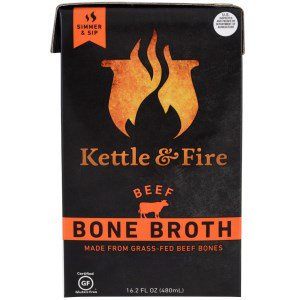
    This isn’t a water-only fast I hit fresh coffee on wake up 7 am, and Ill Bovril or a Baxters Beef Consommé.(Due to my knee being so bad now after this year’s operations, I need as much collagen as I can get.Bone Broth is also a great sipping supplement Kettle and Fire https://www.kettleandfire.com/ is by far the tastiest!!! best price I can find in UK is £6.89 from iHerb) around 12pm and again around 7pm.

    KAF-00700-1

    https://uk.iherb.com/pr/Kettle-Fire-Bone-Broth-Beef-16-9-oz-480-g/74155?ccode=GB&currcode=GBP&langcode=en-US&gclid=Cj0KCQjw4eXPBRCtARIsADvOjY2D0z8YGeQky_69bRMefx-r8WqJ7u0dRJxCtsatKpp__f2NNbgQ9VgaApFSEALw_wcB

    It’s working for me Brilliantly I am keeping weight off and feel lifted and energized all through to the weekend.

    beef-consimme-in-bowl-with-spoon

    http://www.cookinglight.com/food/recipe-finder/what-is-beef-consomme

    I hope you all have a great Wednesday feel free to share your experiences, drop me a note through the contact page.

  • Month 3 and the 72 Hour Fast…

    Month 3 and the 72 Hour Fast…

    So Dear Reader, having seen how time-restricted eating, gradually building up over 2 months with small fasts had drastically removed the weight I had gained, I felt ready to move on to a more prolonged fast.

    I had the routine down now with Wednesdays as a fast day and sticking to a time-restricted diet the rest of the week.

    I had a normal week before the fast and on Monday before I made sure I had plenty of protein and fat as well as some carbohydrates. (See Monday pic)

    Sardines and Mackerel fillets in olive oil have become a big part of my diet and I ended my days food intake on Monday evening with a can taking my day’s intake to 3 tins.

    Tuesday started with coffee ( I didn’t want to just water as I was drinking so much anyway) I walked all morning breaking for a mug of Bovril in the afternoon.

    I had another Bovril in the evening (kind of my dinner replacement) then I drank green tea before bed.

    Wednesday and Thursday followed a similar routine I had to drink some coffee later at the end of the day Thursday as I approached 68-70 hour mark.

    I have to say I did sleep very very well throughout the entire fast, waking each morning feeling properly refreshed and getting to sleep was easier than I would normally experience. This may have been because during the fast I continued my walking averaging 17.5 Kilometers each of the days. As I move forward with my fasting journey I will monitor effects on sleeping patterns more closely.

    I went to bed Thursday evening feeling amazing the coffee had kept the hunger pangs away and had an incredible sense of well being.

    Friday morning came and I really didn’t even feel hungry, which was a total surprise, I broke my fast with scrambled eggs and coffee.

    I was careful throughout the day to keep to my time-restricted eating schedule and I was surprised at how little interest I actually had in food.

    I wasn’t Ravenous as I had fully expected to be! I transitioned back into the normal routine immediately and without any adverse effects.

    IMG_1633

    The feeling of wellbeing and an elevated mood remained over the weekend following my fast and I was really interested to notice how my body actually reacted to what I put into it.

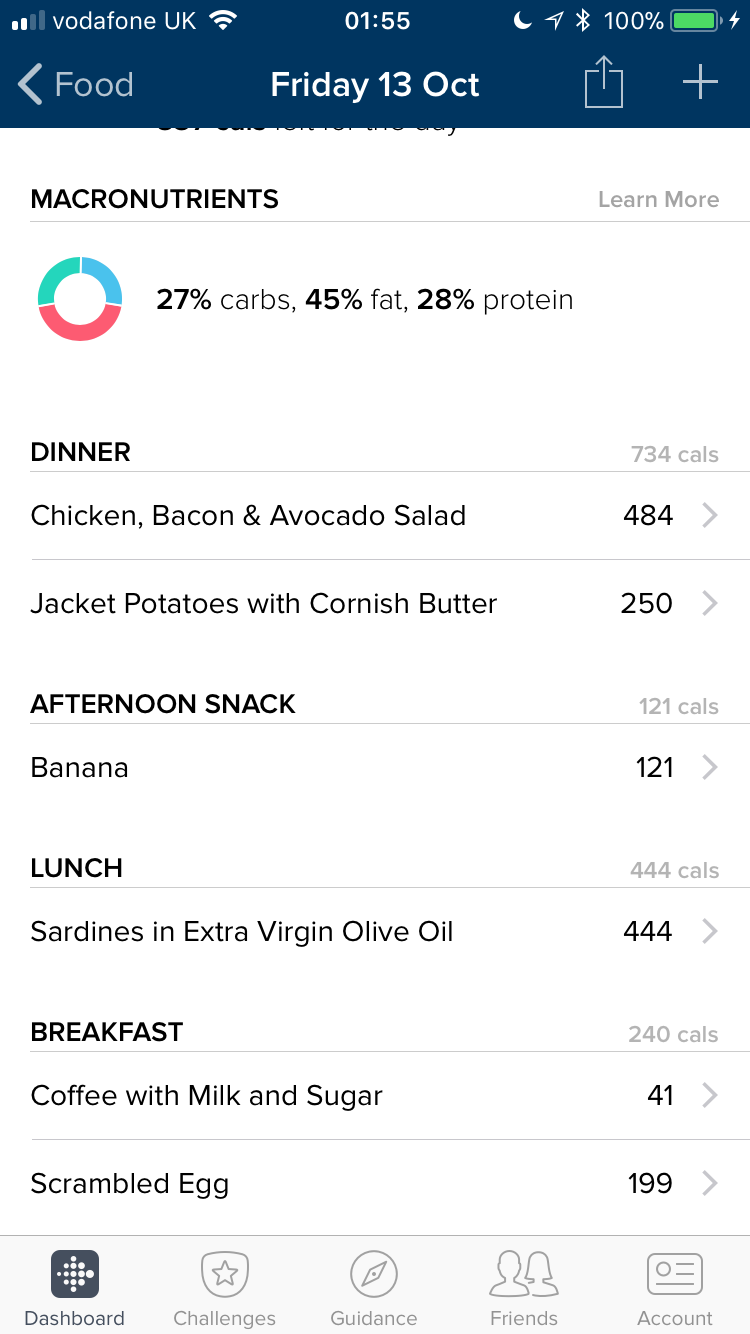
    The sardines for lunch on the Friday following felt like rocket fuel and a can containing 3 fillets kept me going with the addition of a banana until dinner that evening.